
About SWATI
For 30 years, SWATI has stood alongside women and girls in rural Gujarat, enabling them to move freely, speak collectively, and influence the institutions that shape their lives. What began in 1995 as community mobilisation has grown into systemic transformation—where everyday concerns around safety, mobility, and dignity enter governance, health systems, and public life.
Making Gender Equality a Lived Reality
Our Vision
A gender-just society where women and girls live with dignity, equality and freedom from violence
Our Mission
To work alongside rural women and girls to challenge gender-based violence and inequality, strengthen collective agency, and make the institutions that shape their lives more responsive to their rights

Our Approach
Setting up sustainable and decentralized leadership initiatives has been a hallmark of SWATIs work approach. The independent women’s collectives – Mahila Vikas Sanghs, Women’s justice committees – Mahila Nyaya Samitis, and Citizens’ rights help desk – Nagrik adhikar Sahayta Kendra are a few examples of this approach.
To increase the outreach of its work, SWATI aligns with other groups and organizations through capacity building and networking for collective action in areas including violence against women, right to information, and advocacy for reproductive health concerns of women.
EQUITY
Being sensitive to all form of discrimination against women and marginalized and committed to reducing them.
PARTNERSHIP & EMPOWERMENT
Having faith in people’s capabilities and their institutions.
ACCOUNTABILITY
Responsibility with transparency
COLLABORATION
Developing synergies through networking.
What Drives Our Work
A Gender Just Approach to Citizenship.
Collective agency and Institutional Responsibility
Gender justice means that women and girls can live with dignity, exercise their rights and choices, shape decisions that affect their lives, and expect institutions to act to uphold their freedom and equality
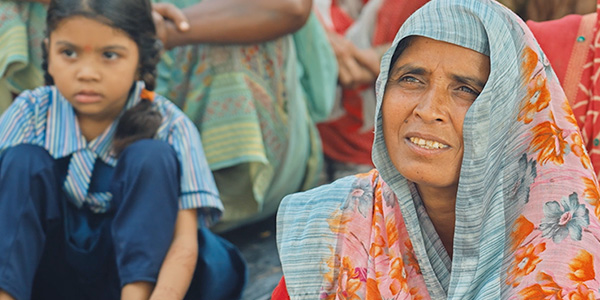
Agency & Leadership
Women and girls exercise their rights, shape decisions and collectively to change the norms and conditions that shape their lives
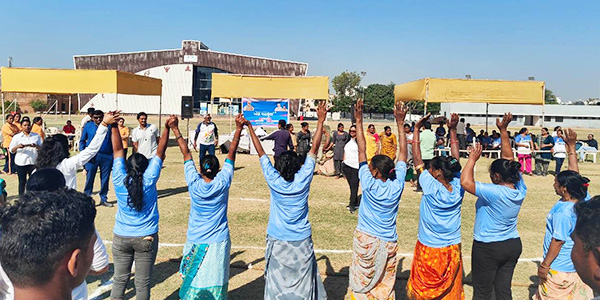
Freedom, Well-being and Access
Women and girls are able to live with dignity, make their own choices and move freely without violence or fear
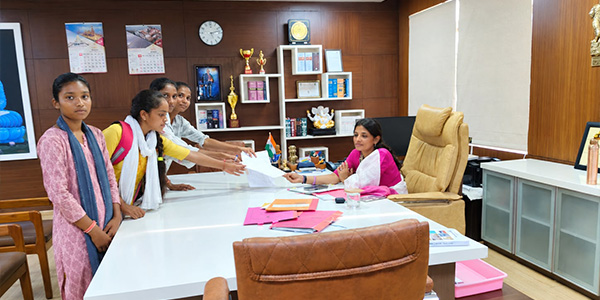
Institutional Change and Accountability
Institutions must recognize and address gender inequality, including violence within homes and public spaces, and take responsibility for creating conditions for gender justice